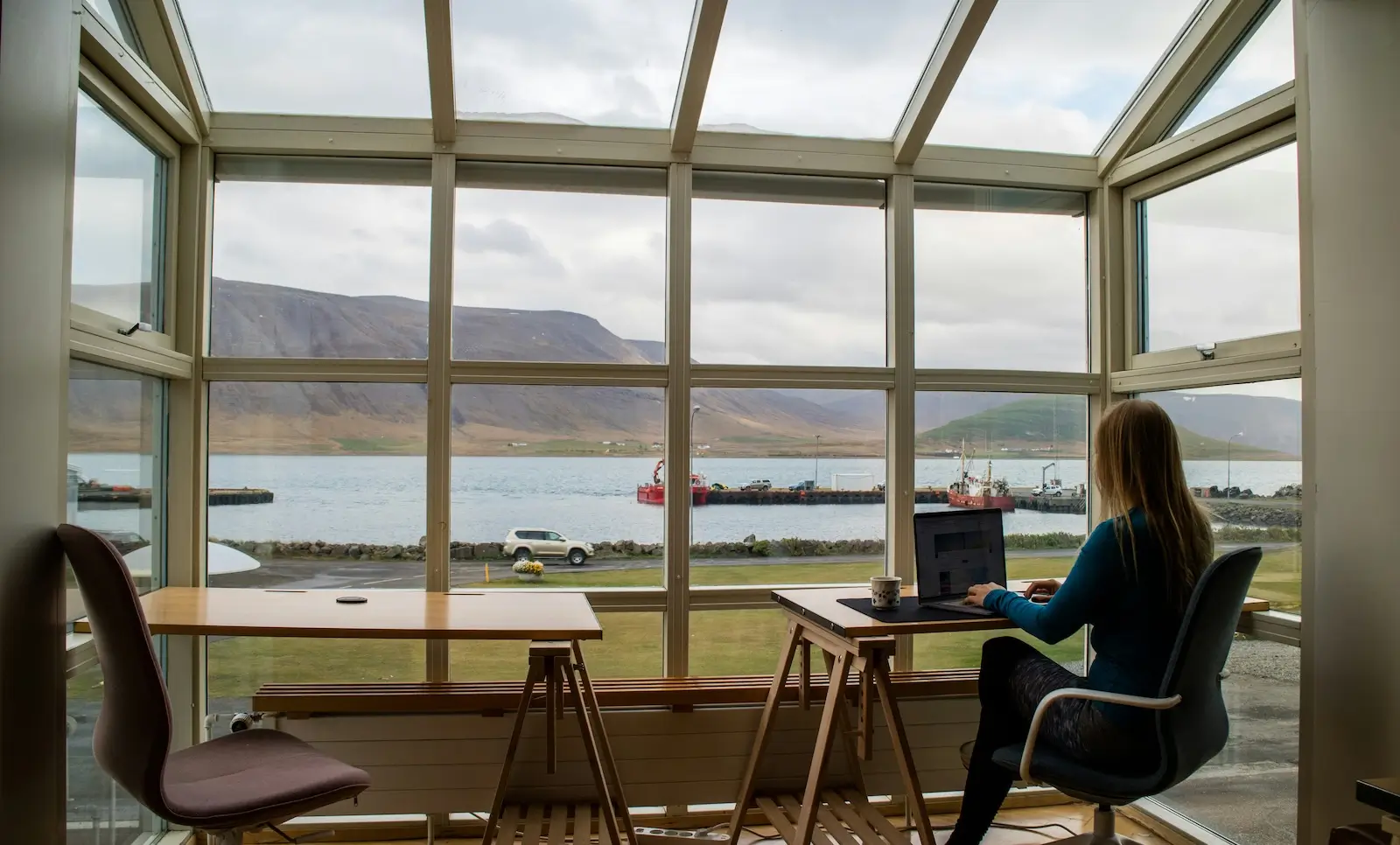

How to Make Money While Traveling: 9 Real Ways That Work in 2026
Travel and a steady income used to be hard to mix. That changed when remote work, freelance platforms, and creator tools matured. You can now fund a trip from a laptop, from a hostel front desk, or by trading a few hours of work for a place to sleep. This guide covers nine ways to earn money while traveling that real travelers use today, from setups that need no skills to roles that pay full salaries. Each one includes what it pays, what it requires, and what to know before you start. You won't find fantasy income claims, promise.
1. Let your laptop generate impact in the background with IdleForest

You will spend hours on the road with your laptop open and barely active. Long layovers, train rides with Wi-Fi, co-working sessions where you read for an hour, hotel evenings with the lid open. IdleForest puts that idle time to work.
How it works:
Install once: add the Chrome extension or download the desktop app for Mac or Windows. Setup takes about 10 seconds.
Browse as usual: the app uses only the bandwidth you are not using for small backend tasks (uptime checks, public market research).
Funds verified trees: revenue from those tasks goes to partners like Trees for the Future, Tree-Nation, and 1ClickImpact.
Cost: $0. No signup, no payment method, no personal data shared.
Works on: Chrome, Edge, macOS, Windows. Mobile is on the roadmap.
The honest caveat: IdleForest does not put cash in your wallet. The revenue funds reforestation. If you want trips that pay for themselves, the next eight ideas do that. If you also want your travel laptop to do something useful in the gaps between work and exploration, install IdleForest and forget about it.
2. Take your current job remote
The simplest way to fund travel is to keep the job you already have and move it online. Around 40 countries now offer digital nomad visas for people who want to travel and work remotely, which removes a lot of friction.
How to make the case to your employer:
Pitch a trial period (one to three months) before requesting a permanent change.
Show how your work translates to remote output: deliverables, KPIs, response times.
Use clear tools your team already runs on (Slack, Zoom, Notion, shared docs).
Confirm tax and legal setup. Some employers limit where staff can work for tax reasons.
What to expect:
Full salary, full benefits in many cases.
A schedule tied to your home office's time zone.
A reliable Wi-Fi requirement that can shape your route. Pick cities with strong infrastructure (Lisbon, Mexico City, Chiang Mai, Medellín, Bali).
If your current role cannot go remote, look on Indeed, LinkedIn, or FlexJobs for remote roles in your field. Project management, software, IT, accounting, and marketing list the most fully remote positions.
3. Freelance online in a skill you already have
Freelance work is the most flexible way to earn while traveling. You pick the clients, set the hours, and bill from any country with internet.
Skills that travel well:
Writing and editing: blog posts, newsletters, copy, technical docs.
Web and graphic design: Figma, Webflow, Shopify, branding.
Marketing: SEO, paid ads, email, social media management.
Software development: front-end, back-end, mobile, no-code.
Video editing: short-form for creators, long-form for YouTube.
Translation and proofreading: for the languages you speak fluently.
Where to find clients:
Upwork, Fiverr, Toptal, Contra: general freelance marketplaces.
We Work Remotely, Remote OK: job boards with contract roles.
LinkedIn: direct outreach to companies in your niche.
Income ranges run from $15 per hour for entry-level writing to $150+ per hour for senior developers and consultants. Plan to spend the first few months building a portfolio and a small client base before you leave. A steady $2,000 to $4,000 per month covers travel costs in most of Southeast Asia, Latin America, and Eastern Europe.
4. Teach English or tutor online
Teaching online pays per hour and fits short or long travel windows. It works well in time zones that match Asia (early mornings in Europe, late evenings in the Americas).
Platforms to consider:
Preply and italki: teach English or another language. No degree needed on italki for community tutors. You set your rates.
Cambly: conversation-only English with US/UK/AU/CA citizens. Low entry barrier.
VIPKid and Magic Ears: structured English lessons for kids in China. Often require a degree and TEFL.
Skillshare and Outschool: teach broader skills (music, coding, art, fitness) to adults or kids.
Rates and requirements:
According to platforms like VIPKid and Preply, rates range from $15 to $50 per hour. Higher rates usually require a TEFL certificate, teaching experience, or a strong niche (business English, exam prep, a specific accent).
What to plan for:
A reliable, quiet space with strong Wi-Fi.
A consistent schedule. Students rebook the same slots each week.
Tax filing in your country of residence on the income earned.
Teaching online will not replace a senior salary. It will cover food and accommodation in cheaper destinations with 10 to 20 hours per week.
5. Build a travel blog or YouTube channel
A travel blog or YouTube channel turns the trip itself into the product. The income stack pays through ads, affiliate links, brand partnerships, and your own products.
How the income works:
Display ads: join Mediavine or Ezoic once a blog crosses traffic thresholds (often 10,000+ monthly sessions).
Affiliate marketing: earn commissions on bookings (Booking.com, GetYourGuide, Viator), gear (Amazon), and travel insurance (SafetyWing).
Sponsored content: tourism boards, hotels, brands pay for reviews, photos, and posts.
YouTube ads and sponsorships: AdSense plus brand deals.
Your own products: city guides, presets, courses (see #9).
The honest part:
Blogs and channels usually take 12 to 24 months to earn meaningful income.
Buyer-intent posts ("best hostels in Lisbon", "is the JR Pass worth it") pay more than story posts.
A niche (long-distance hiking, vanlife, slow travel in Asia) ranks faster than general "travel".
Start the blog or channel before you leave. Build a backlog of content while you have steady internet and a quiet desk. Once the first posts rank or videos hit, the income runs in the background while you keep traveling.
6. Trade work for accommodation through work exchanges
Work exchanges are not paid in cash, but they cut the largest travel cost: lodging. You give a few hours per day to a host (hostel, farm, family, eco-project) and get a bed and often meals in return.
The main platforms:
Workaway: hostels, farms, families, language exchanges. ~$50/year membership.
Worldpackers: hostels, NGOs, eco-projects. Annual membership with a verified host system.
WWOOF: organic farms in 130+ countries. Membership fee per country.
HelpX: broad host categories, lower volume than the others.
Trusted Housesitters: see #7 for the pet-and-house version.
What hosts ask for:
20 to 30 hours per week in exchange for free room and often board.
Skills ranging from basic (cleaning, gardening, reception) to specialized (web design, photography, language teaching).
Stays from a few days to several months.
What to know:
This is a budget extender, not an income stream. You will not save much cash.
Read reviews carefully. Quality varies widely between hosts.
Check the visa rules. Most work exchanges are legal on a tourist visa, but not all.
A few months of work exchanges between paid gigs can stretch a small budget into a long trip.
7. House sit and pet sit on the road
House sitters get free accommodation in someone's home in exchange for looking after the place and any pets. It works for short trips and long-term slow travel in cities you would otherwise pay for.
Where to find sits:
TrustedHousesitters: the largest network, annual membership. Strong in the UK, US, Australia, Western Europe.
MindMyHouse, HouseCarers, Nomador: smaller, cheaper memberships.
Rover, Care.com: pet-sitting gigs that pay cash, often shorter and local.
What you usually do:
Walk and feed pets, water plants, collect mail, keep the home tidy.
Send the owner updates with photos.
Handle small issues (a leak, a delivery) and call a tradesperson if needed.
What to expect:
Free accommodation, often in homes nicer than you would book yourself.
A clean profile and references are key. Start with shorter local sits to build reviews before applying to international ones.
Competition is high for sits in popular cities. Apply within hours of a listing going live.
House sitting works best for travelers with flexible dates. A run of well-placed sits can cut your accommodation costs to near zero for months.
8. Pick up seasonal jobs at your destination
Seasonal work pays cash and often includes housing. It suits travelers who want to stop in one place for a few weeks to a few months before moving on.
Common seasonal jobs:
Ski resorts (winter): lift operator, ski instructor, hospitality, kitchen. Free or cheap lift passes are part of the deal.
Summer camps and resorts: activity leaders, kitchen, front desk.
Hostels year-round: reception, cleaning, bar work, often in exchange for room plus a small wage.
Tour guiding: walking tours, bike tours, hiking guides in peak season.
Farms and vineyards: harvest work in France, Italy, Australia, New Zealand.
Cruise ships: contracts of 4 to 8 months, food and lodging included.
What to plan for:
Visas matter. Working holiday visas (Australia, New Zealand, Canada, UK, Japan, several EU countries) make seasonal work legal for travelers under 30 or 35 depending on the country.
Pay varies. Hostels often pay close to nothing in cash but cover housing. Resorts and ski jobs pay regular hourly wages.
Hire windows are tight. Apply months before the season starts.
A six-month season in a ski town or on a cruise can fund a year of slower travel afterwards.
9. Sell digital products built from your travels
Your trips can produce assets you sell on repeat. Unlike generic stock content, travel-specific products tie directly to what you are already doing on the road.
Products that sell well:
City guides and itineraries: detailed, niche, opinionated (3 days in Lisbon for vegans, hidden hikes in Madeira).
Lightroom presets: matched to a style you shoot regularly.
Notion templates: travel planners, packing lists, budget trackers.
Photo and video bundles: licensed for travel brands and bloggers.
Mini-courses: specific skills like phone photography, slow travel budgeting, or moving abroad.
Where to sell:
Gumroad and Payhip: lowest-friction setup for digital files.
Etsy: strong organic traffic for templates and presets.
Your own site or Stan Store: higher margin, more control.
What to expect:
A single product rarely sells well. A small catalog (5 to 15 products) builds steady income.
Distribution matters more than the product. A blog, newsletter, or social account that already reaches travelers sells faster than cold listings.
Updates are part of the deal. City guides go stale. Plan a yearly refresh.
The work is real, but each product can sell for years after launch.
How to combine these ideas
Most travelers who fund long trips do not use one method. They stack two or three. A common setup: a remote part-time job for steady income, freelance work to top it up, and a travel blog or product catalog that grows in the background. Start with the option that fits your current skills and savings, build it for a few months, then add the next layer once the first one is stable. The lifestyle is sustainable when the income is, not when one big idea pays off.